Sprechen Sie Deutsch? Parla italiano? Do you speak English? Zur Deutschen Webseite Al sito web italiano To the English webpage
FREE DELIVERY TO USA FROM 150 EUR

Face creams

Gentle formulas to provide the skin with essential lipids, long-lasting hydration and protection from external influences.
Discover more
Filter ➔
TDJ_Cellular-Protection-Hand-Cream_Product_07
TDJ_Intense-Revitalising-Mask_05

FREQUENT QUESTIONS ABOUT FACE CREAMS

What makes a good face cream?

A good face cream hydrates the skin, strengthens the barrier, and protects against environmental stressors without feeling heavy.

What matters isn’t how many active ingredients a cream contains, but whether it truly matches your skin’s needs and helps keep it in balance long term. When skin feels “sensitive,” it often isn’t inherently sensitive — it’s overstimulated or out of balance. Common causes include too many steps, constantly switching products, or an overall routine that’s simply too intense and puts stress on the skin barrier.

That’s why we focus on skincare that thinks in systems: a few, perfectly coordinated steps that strengthen the skin barrier and respect the skin’s natural rhythm. Instead of overwhelming the skin with ever-changing active ingredient combinations, we give it what it needs every day: hydration, protection, and calm, so it can regulate itself over time.


How to recognize quality:

  • Well-tolerated, thoughtfully designed formulas for everyday use
  • Clear standards, ideally certified natural cosmetics
  • A focus on hydration, protective lipids, and barrier support
  • Botanical ingredients that don’t overwhelm the skin
TDJ-x-RUBY_214_Grain_1000x1000

How can you tell that your current face cream doesn’t match your skin’s needs?

If a cream doesn’t suit your skin type, your skin often feels dry or irritated.

Typical signs include tightness, redness, stinging, dryness lines, or the feeling that you constantly need to reapply. Small blemishes can also appear if a rich face cream is too heavy, or if the skin is “over-cared for” due to too many products.

Which face cream is ideal for dry skin?

For dry skin, a nourishing face cream is ideal — one that binds moisture and also provides lipids so the skin doesn’t dry out again.

A purely hydrating face moisturizer can feel pleasant in the short term, but if protective lipids are missing, moisture evaporates more quickly.

An ideal choice is a natural cream with hydrating ingredients such as hyaluronic acid, glycerin, or aloe vera, combined with nourishing lipids like shea butter, jojoba oil, or almond oil.


What to look for:

  • Hydrating actives such as hyaluronic acid, glycerin, or aloe vera
  • Ingredients for protection and suppleness such as shea butter, niacinamide, and natural oils (jojoba oil, almond oil, …)
  • Good skin tolerance so the barrier can recover


Our expert tip:

In winter, dry skin often isn’t “under-cared for” — it’s out of balance, for example due to cold temperatures, indoor heating, and overly intense cleansing. In that case, a gentle approach helps: mild cleansing, less exfoliation, and a calm routine so the skin barrier can stabilize.

Which cream makes sense for combination skin?

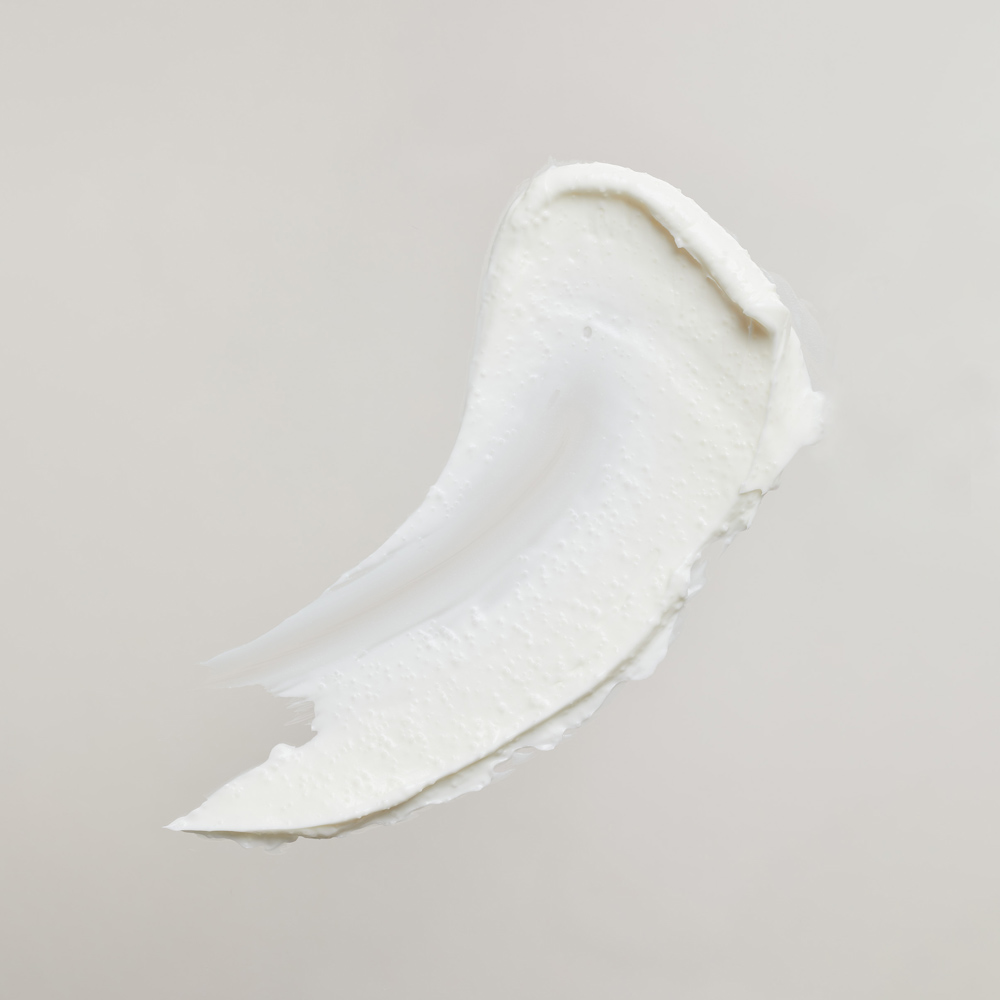
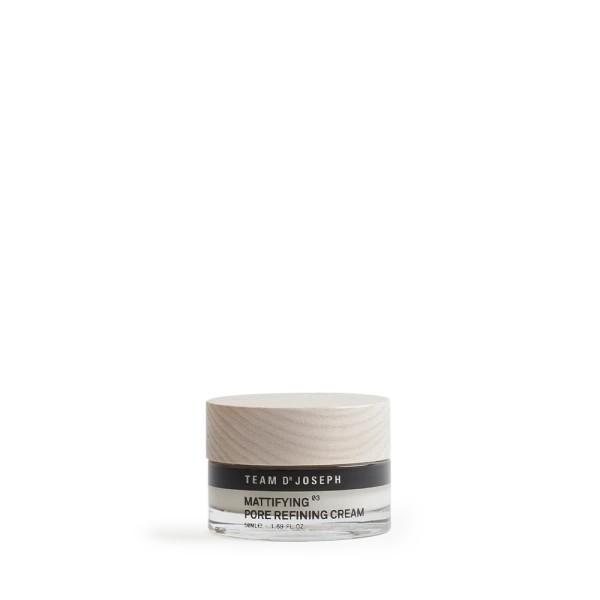
For combination skin, a lightweight day cream is ideal — one that hydrates and balances without leaving a greasy film.

Combination skin is often a sign of imbalance. If you strip the skin too much, it often produces more oil. If you use a cream that’s too rich, the T-zone can look shiny quickly. The goal is a stable routine with a face cream that absorbs well and feels like protection — without sitting on the skin.

To the Mattifying Pore Refining Cream

What does sensitive skin need to feel calmer again?

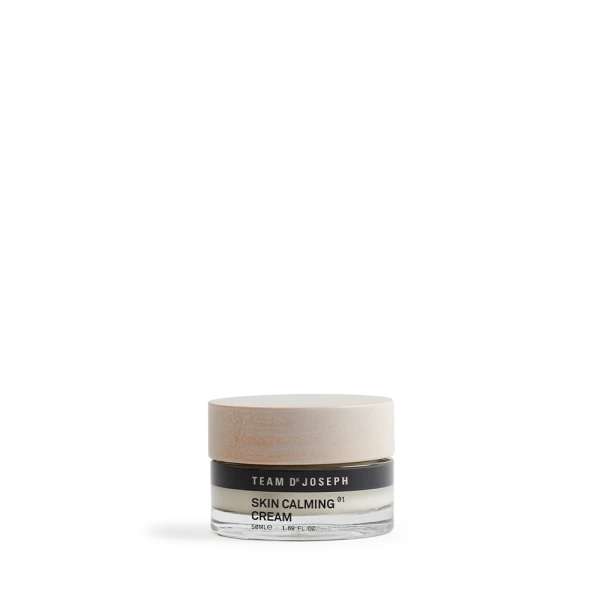
Sensitive skin benefits most from calm, barrier care, and a low-irritation formula.

Often skin is sensitive because it’s overstimulated. Then, even a generally good cream can suddenly feel like too much. A natural face cream can help if it’s intentionally minimal and doesn’t confront the skin with synthetic fragrance or strong actives.


What really helps:

  • Reduce the number of products
  • Gentle cleansing
  • Focus on hydration, protection, and skin tolerance
To the Skin Calming Cream
TDJ-x-RUBY_07_Grain_1000x1000

Which face cream makes sense after age 50?

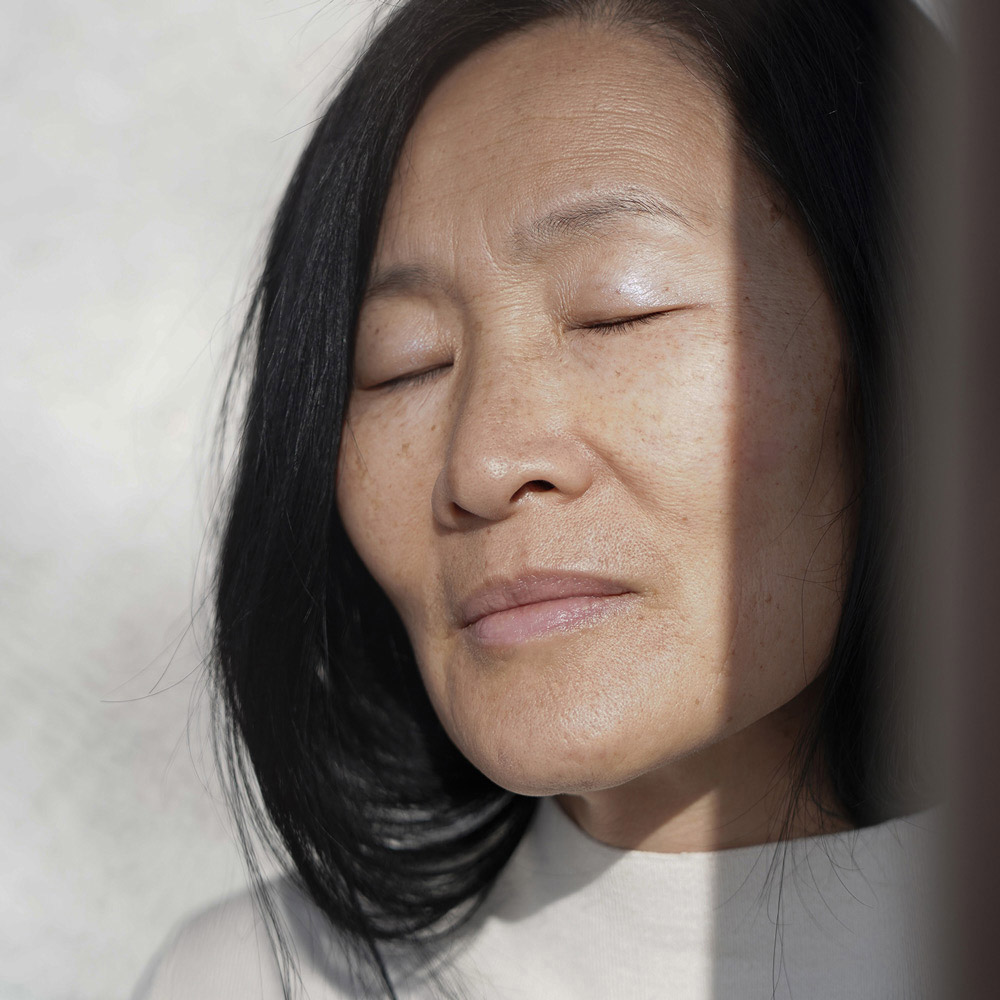
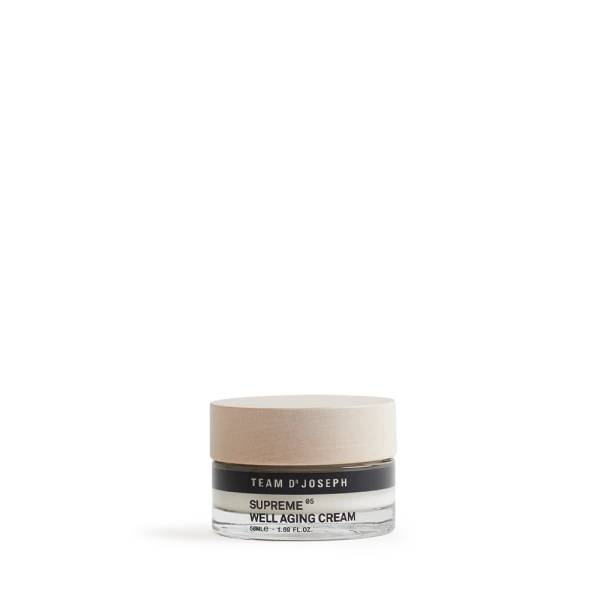
After age 50, a well-aging face cream is a smart choice — one that consistently delivers hydration and protection while strengthening the skin barrier.

As we age, skin often becomes drier, more reactive, and loses firmness. Mature skin doesn’t necessarily need as many “strong” actives as possible at once — which can add additional stress — but rather gentle, targeted care.

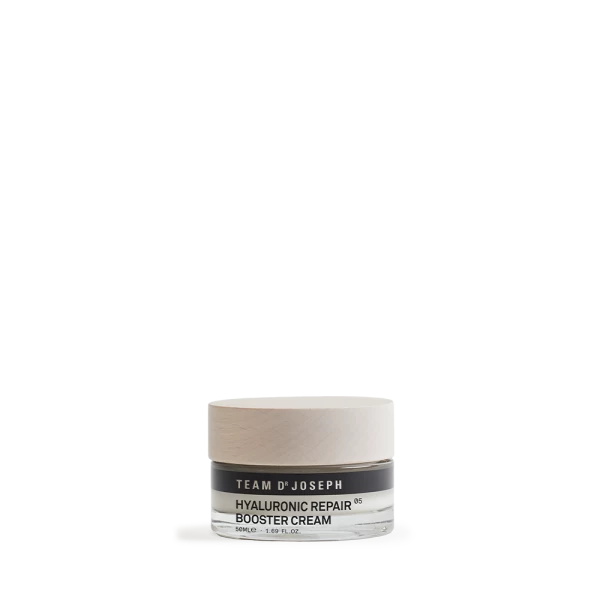
An ideal option is the Hyaluronic Repair Booster Cream: it combines hyaluronic acid for intensive hydration and a visibly plumper skin feel with selected botanicals such as baobab and chaste tree, which support the skin’s well-aging process. The result is a nourished, cushioned, smooth skin feel — without overwhelming the skin.


What matters for well-aging:

  • Plumping ingredients such as hyaluronic acid for a bouncy skin feel
  • Antioxidants such as vitamin E or green tea
  • Nourishing lipids for comfort and protection
  • Don’t forget: daily UV protection as the foundation


Our expert tip:

Using too many anti-aging products at the same time can quickly overwhelm the skin, often leading to redness. That’s why a reduced routine is recommended: fewer steps, but consistent and well tolerated—so the skin barrier stays stable and long-term results become possible.

Read more about the art of Well Aging

Can a face cream help with wrinkles?

Yes, an anti-wrinkle face cream can visibly help when it stores moisture, strengthens the skin barrier, and protects against environmental stressors.

Wrinkles often look deeper when the skin is dehydrated. Hyaluronic acid and glycerin can make the skin look smoother in the short term. Long term, the most important lever is protection, especially UV protection, because UV exposure strongly influences skin aging. That’s why an anti-aging face cream is most effective as part of a daytime skincare routine.

TeamDrJoseph_YooMi_HR-3_1000x1000
TDJ_Deep-Purifying-Mask_Product_09_1000x1000

What should you look for in the ingredients of a face cream?

When it comes to ingredients, look fort he ones that focus on hydration, barrier support, and protection, without unnecessarily irritating the skin.

Instead of as many actives as possible, what counts is a thoughtful, skin-friendly formula that matches your skin’s needs and supports long-term balance.


Important ingredients include:

  • Humectants such as hyaluronic acid and glycerin
  • Soothing components such as aloe vera, especially for sensitive skin
  • Antioxidants such as vitamin E, which help protect against environmental stressors
  • Natural oils that care for and protect the skin barrier (e.g., jojoba, almond, or argan oil)


Our expert tip:

Also make sure your face cream is free from potentially problematic ingredients, such as silicones, PEGs, paraffins, mineral oils, and synthetic fragrances, dyes, and preservatives.

What does “non-comedogenic” mean and what should you consider if you’re prone to blemishes?

Non-comedogenic means a product is formulated not to clog pores, reducing the risk of blackheads, pimples, and blemishes.

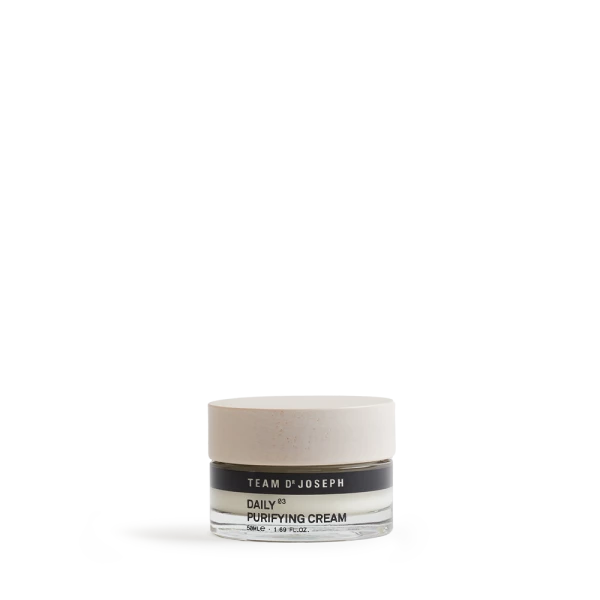
If you’re prone to blemishes, a lightweight, fast-absorbing day cream is recommended because it provides hydration without weighing the skin down. Very rich creams can quickly feel like too much and may encourage breakouts. At the same time, overly aggressive cleansing or too many active steps can weaken the skin barrier and irritate the skin.

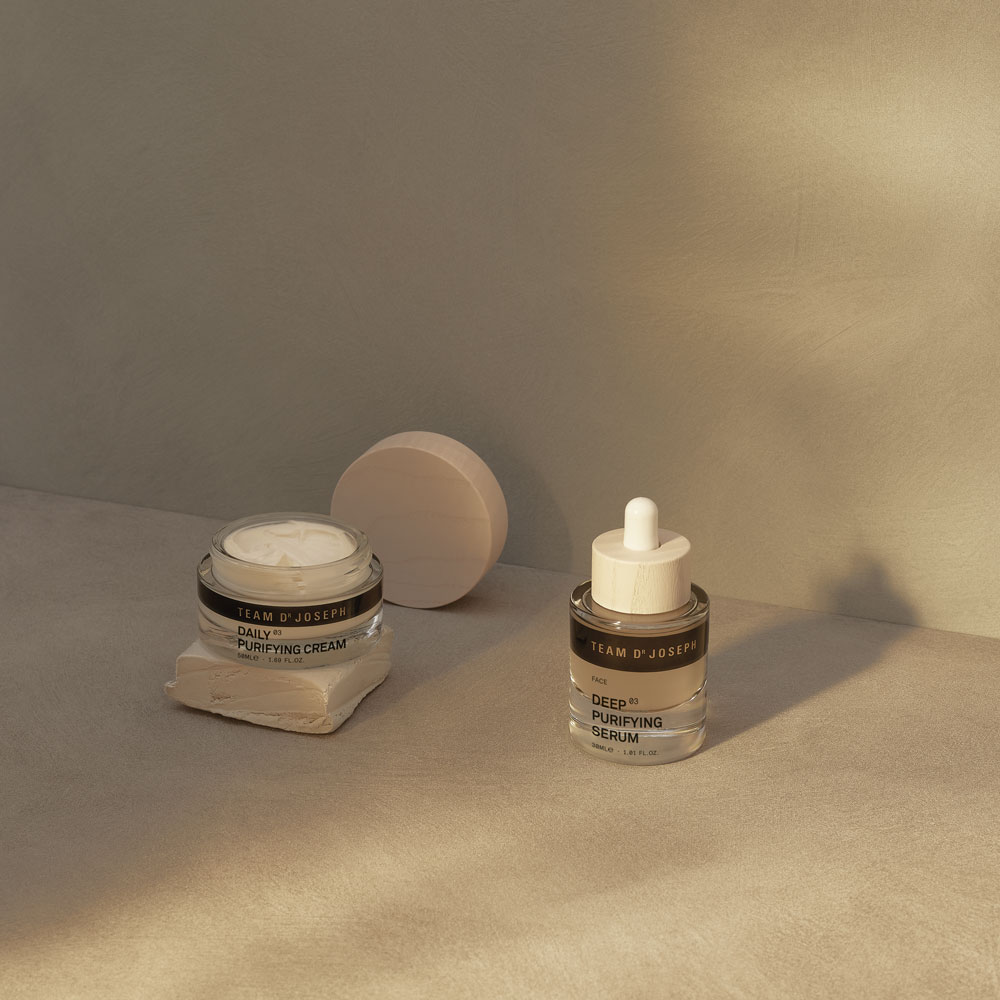
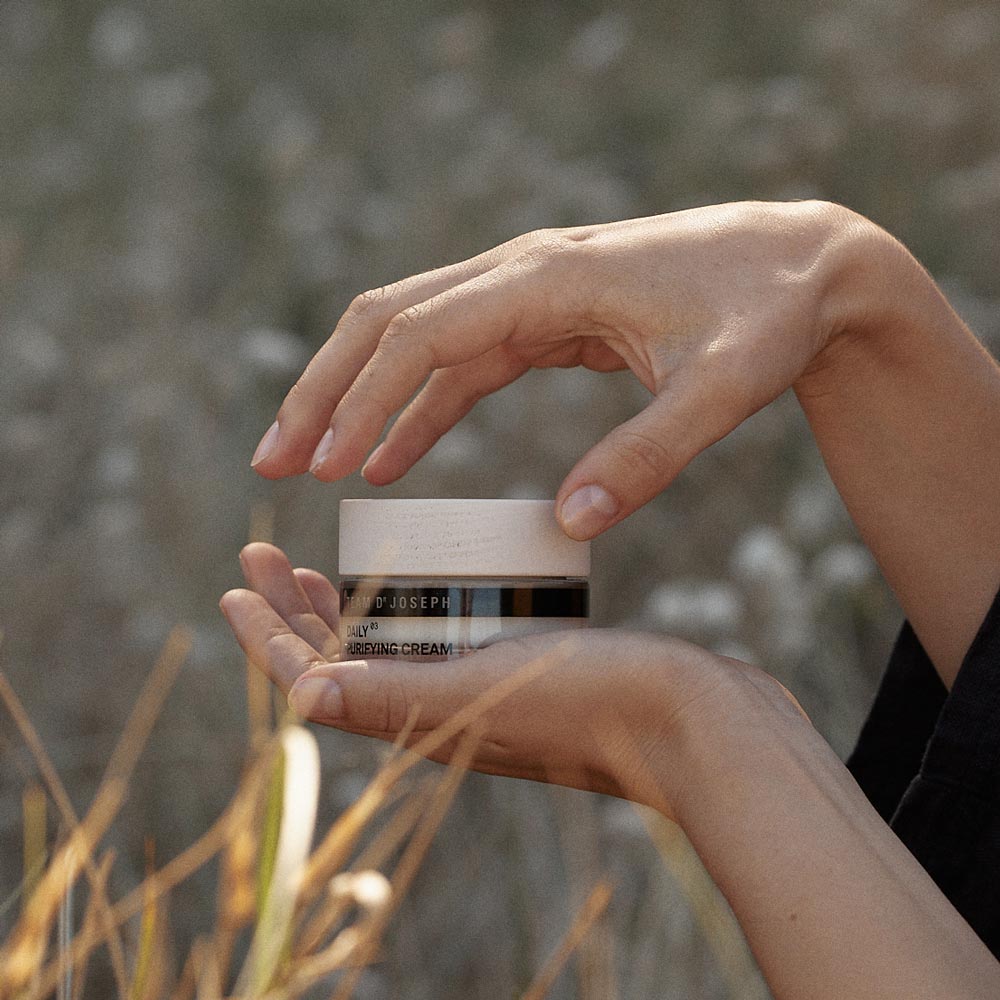
To the Daily Purifying Cream

What kind of care does skin need for rosacea, couperose, or redness?

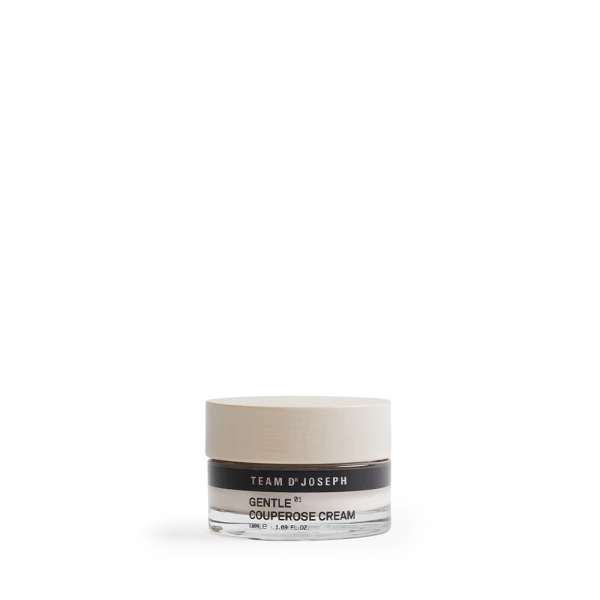
For rosacea, couperose, and redness, soothing, low-irritation care makes sense combined with daily UV protection.

Sensitive skin often reacts strongly to triggers such as temperature changes, fragranced products, or overuse of skincare. A gentle, natural skincare routine can help when it focuses on calm, barrier strengthening, and hydration.

How to care for sensitive skin

Do men need a different face cream than women?

Men generally don’t need a “special men’s cream”, but a face cream that reliably hydrates, protects, and is well tolerated.

The basic needs are similar for men and women: hydration, barrier protection, and protection against environmental stressors. Differences usually come from lifestyle, such as shaving. That’s why texture and skin feel are often more important than a “for men” label.


Our recommendation:

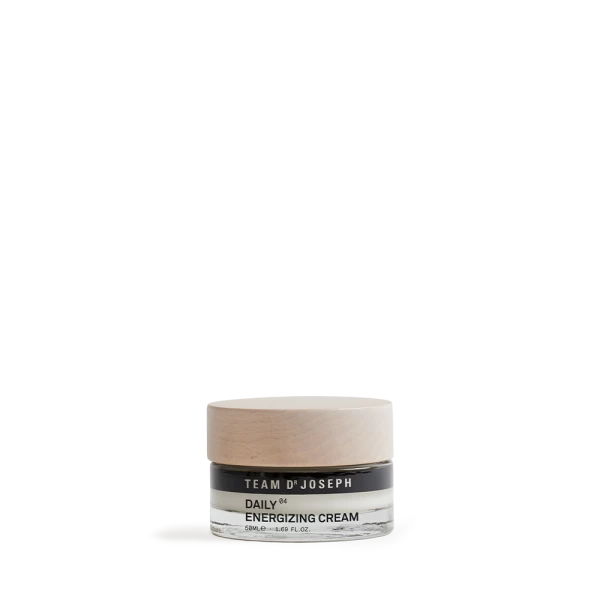
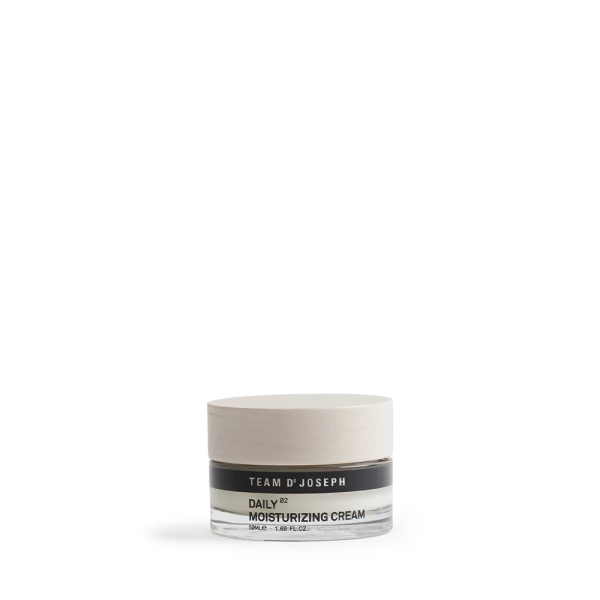
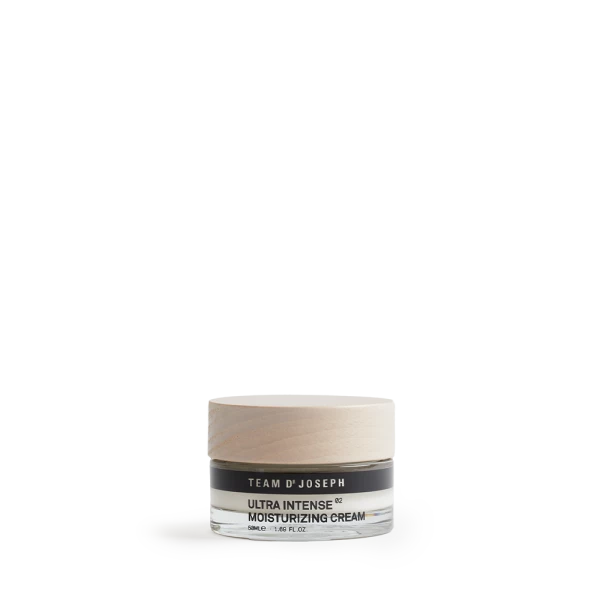
All our creams are unisex. Particularly popular with men for their lightweight, fast-absorbing texture are the Daily Energizing Cream and the Daily Moisturizing Cream. They care effectively without shine or heaviness and are ideal for uncomplicated daily skincare.

Learn more about the right skincare for men
TEAM-DR-JOSEPH_Express-Power-Lift-for-Men_1000x1000

What’s the correct way to apply face cream?

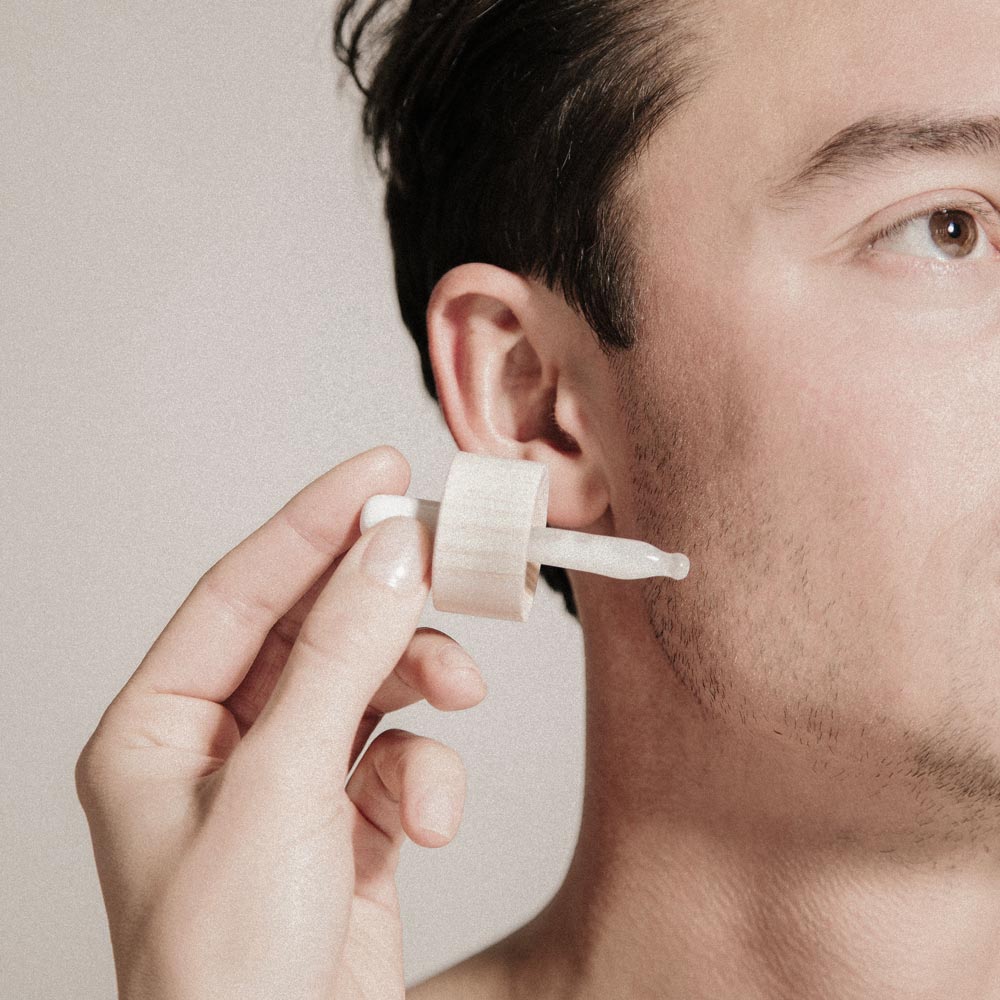
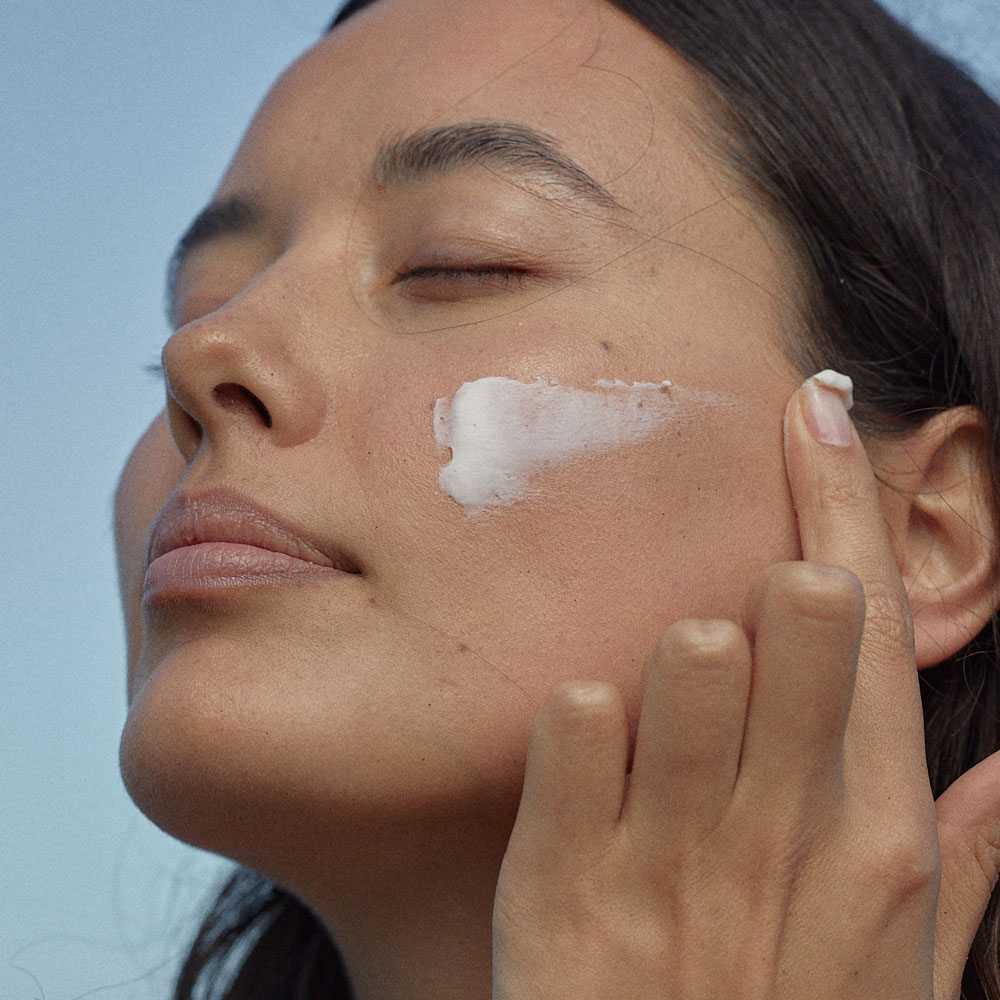
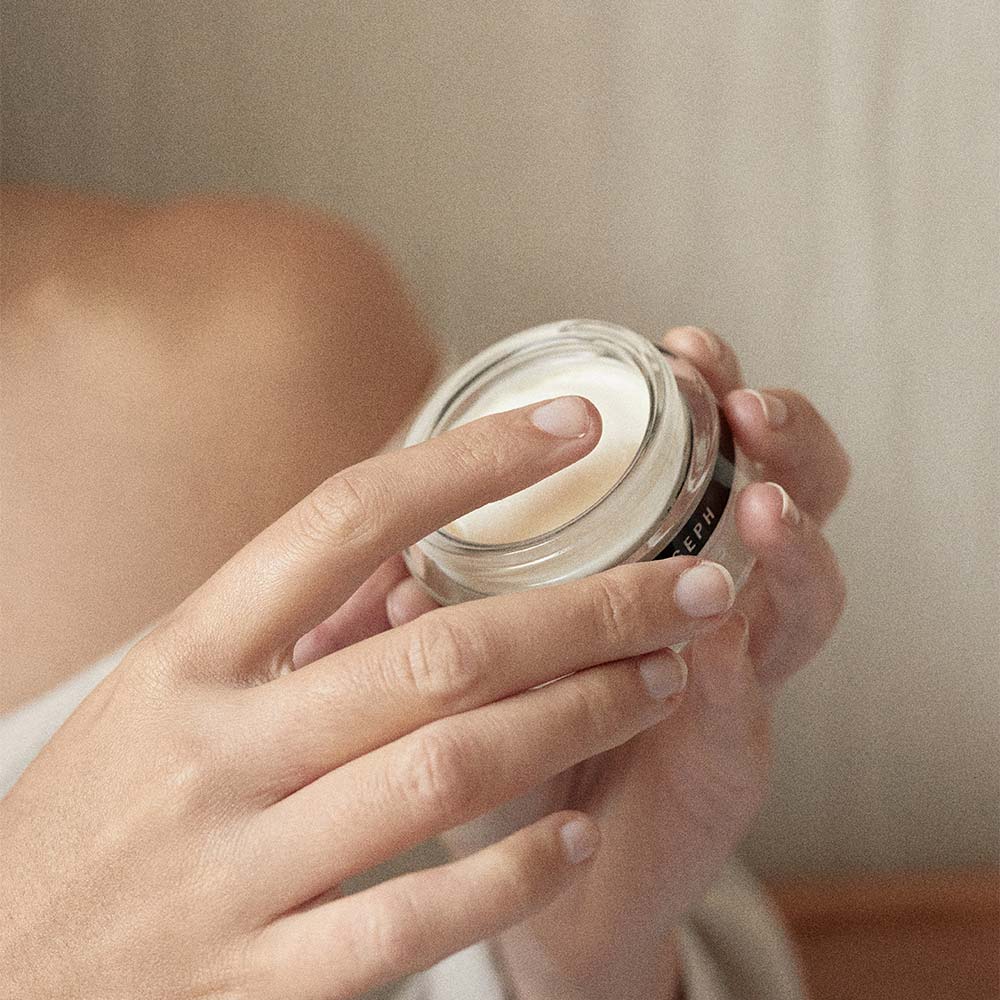
Face cream is best applied after cleansing and toning, onto slightly damp skin, then gently worked in.

As a rule, an almond-sized amount is enough to evenly care for the face, neck, and décolleté.


Our expert tip:

Don’t rub the cream in aggressively. Instead, apply it with calm, sweeping motions to avoid unnecessary stress on the skin barrier. Ideally, give the cream a moment to absorb before applying makeup.

What skincare should you use at night?

In the evening, a lightweight, well-tolerated product is ideal — one that supports the skin without feeling heavy, such as a serum tailored to your skin’s needs.

Our philosophy is to use face cream primarily in the morning as daytime care, and to choose a lighter texture at night. This aligns with the skin’s natural rhythm: during the day, protection against environmental stressors, wind and weather, stress, and pollution is key. At night, the skin’s regeneration process is active, so skincare shouldn’t sit heavily on the skin but allow it space to regulate. A facial serum can deliver targeted hydration and barrier support without covering the skin with a heavy layer.

Which cream protects best against wind and weather, and what matters in extreme winter cold?

In winter, a richer face cream is helpful — one that provides protective lipids and holds moisture in the skin.

Cold and wind increase moisture loss. A nourishing day cream with shea butter or natural oils can strengthen the barrier. In extreme cold, it helps to apply your cream well before going outside so it can properly bond with the skin.


Our expert tip:

In winter, skin needs protection not only from the cold, but also from UV radiation — especially during outdoor activities and in the mountains, where snow reflects radiation. Make sunscreen a consistent part of your morning routine: apply your cream or serum first and let it absorb briefly, then use sunscreen as the final step. If you’re outside for extended periods, reapply sunscreen regularly to maintain protection.

To the sunscreens

Can a face cream also be used around the eyes?

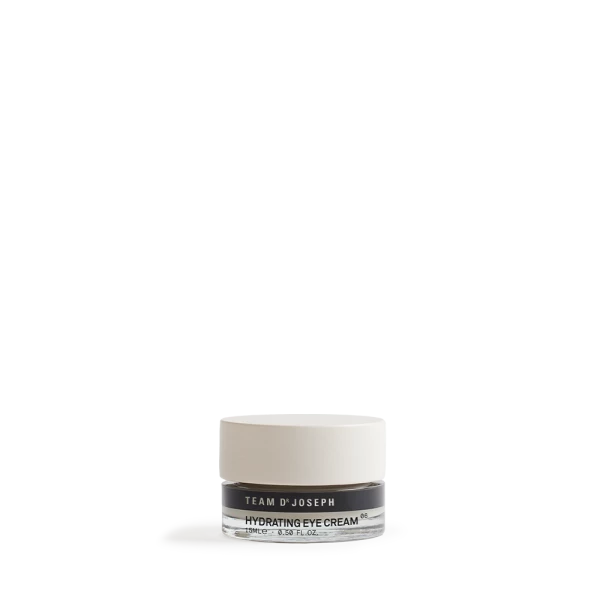
Because the skin around the eyes is more delicate, it’s best to use a dedicated eye product there.

Application is always key: apply the eye cream or eye serum gently and avoid getting too close to the lash line.

To the eye care products
A natural face cream is not enough for the delicate eye area, where a dedicated eye cream or eye serum should be gently applied instead.

What’s the difference between day cream, serum, and facial oil?

A serum delivers targeted active ingredients and usually has a lightweight texture, a day cream hydrates and supports the skin barrier in everyday life, and a facial oil adds lipids for more comfort and suppleness.


A bit more detailed:

  • A serum is applied after cleansing and toning. It’s usually very lightweight and supports a specific skin need, such as hydration or soothing care.
  • Next, gently massage in your day cream. It builds on the serum and acts like a daily protective shield that helps keep moisture in the skin, strengthen the barrier, and protect against environmental stressors.
  • A facial oil adds nourishing lipids from natural oils. This can reduce dryness and leave the skin feeling more supple and comforted.


Our expert tip:

The Age Repair Miracle Drops are ideal for customizing your routine depending on how your skin feels that day. Simply mix a few drops of the facial oil in the palm of your hand with your serum or face cream, then apply.

Learn more about facial oils

How long does it take for a new face cream to show results?

The benefits of a well-suited face cream are often noticeable within a few days through a more comfortable skin feel, while stable, long-term results typically take several weeks.

Hydration, suppleness, and a calmer feel can often be felt relatively quickly. But for the skin barrier to strengthen, for irritation to decrease, and for the skin’s rhythm to return to balance, the skin needs time.

This is exactly where our philosophy comes in: great skin isn’t created by constantly switching to new products or adding more and more actives, but by a routine that doesn’t overwhelm the skin and gives it time to regulate. If your skin tolerates the care well, it’s worth staying consistent and giving your skin continuity.

The image shows the Skin Calming Cream and the Gentle Couperose Cream, two natural face creams by TEAM DR JOSEPH.